






THE SYSTEMWhat's changing
 LOG IN
But are you starting to pay the price?
Maybe you're still doing everything you love.
Maybe you've started modifying what you do.
Maybe you've already stopped doing some of the things you love.
You're active, doing the things you love.
You're starting to feel the consequences.
You start doing less to avoid discomfort.
You stop doing some of the things you love.
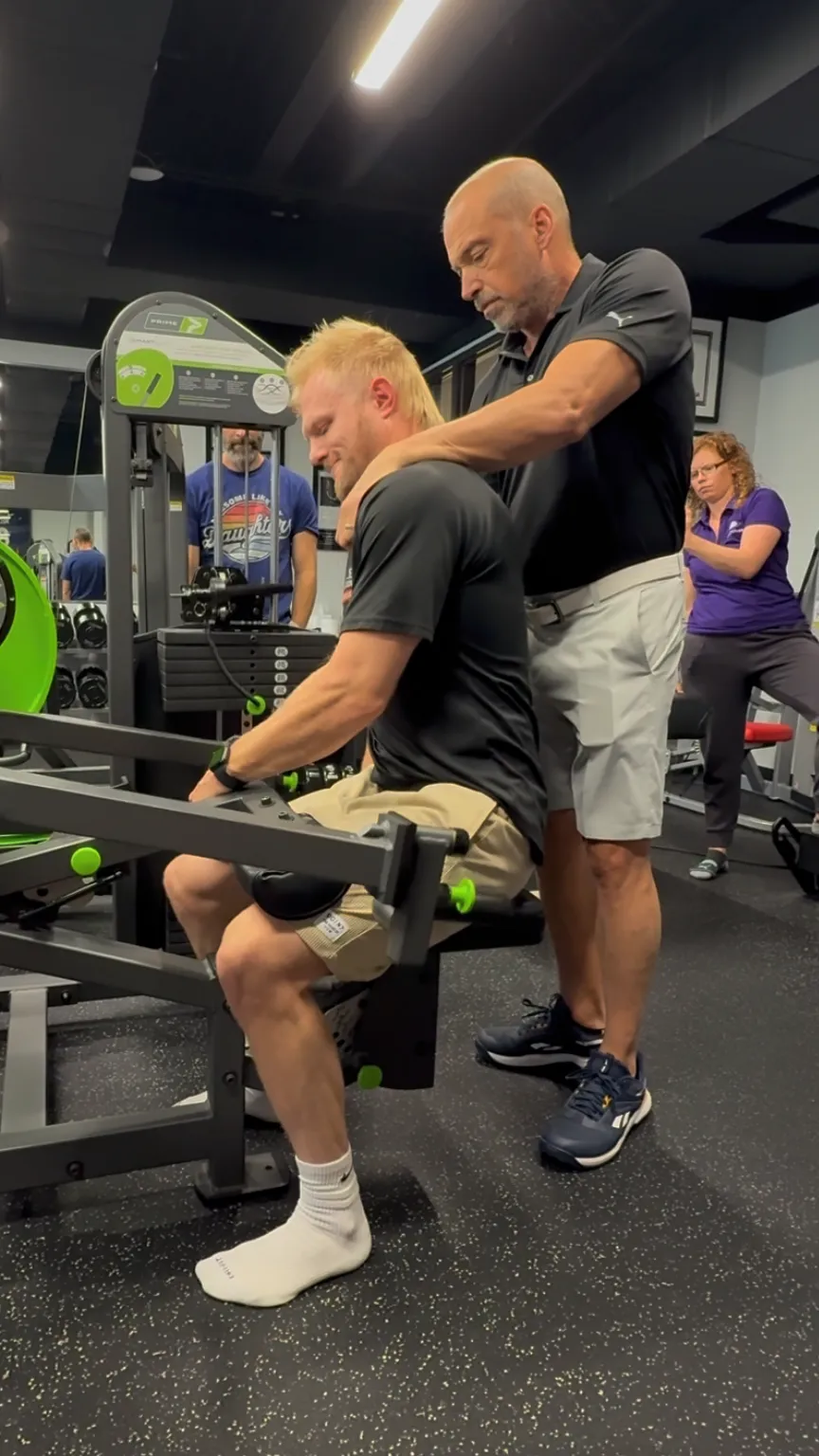
You're no longer able to do things you love.
You may still be doing everything you want to do today. But the more important question is:
Where are you headed?
Not simply strong enough to complete an exercise.

Not simply strong enough to get through today.

Strong enough to keep doing the things that make your life yours.
Build the capacity for the life you want to live.
Your body has a history.
Injury. Surgery. Repetitive physical stress. Inactivity. Aging. Years of compensation.
Over time, muscular capacity can be lost or diminished—even when you've returned to activity and continued moving forward.
Regenerative Strength is the progressive restoration of muscular capacity that has been lost or diminished over time—and the continued development of that capacity from there.
The objective isn't strength for the sake of strength.
It's greater muscular capacity for the demands your life places upon your body.You can be strong.
You can train.
You can golf, ski, run, cycle or compete.
And individual muscles can have very different levels of strength and capacity.
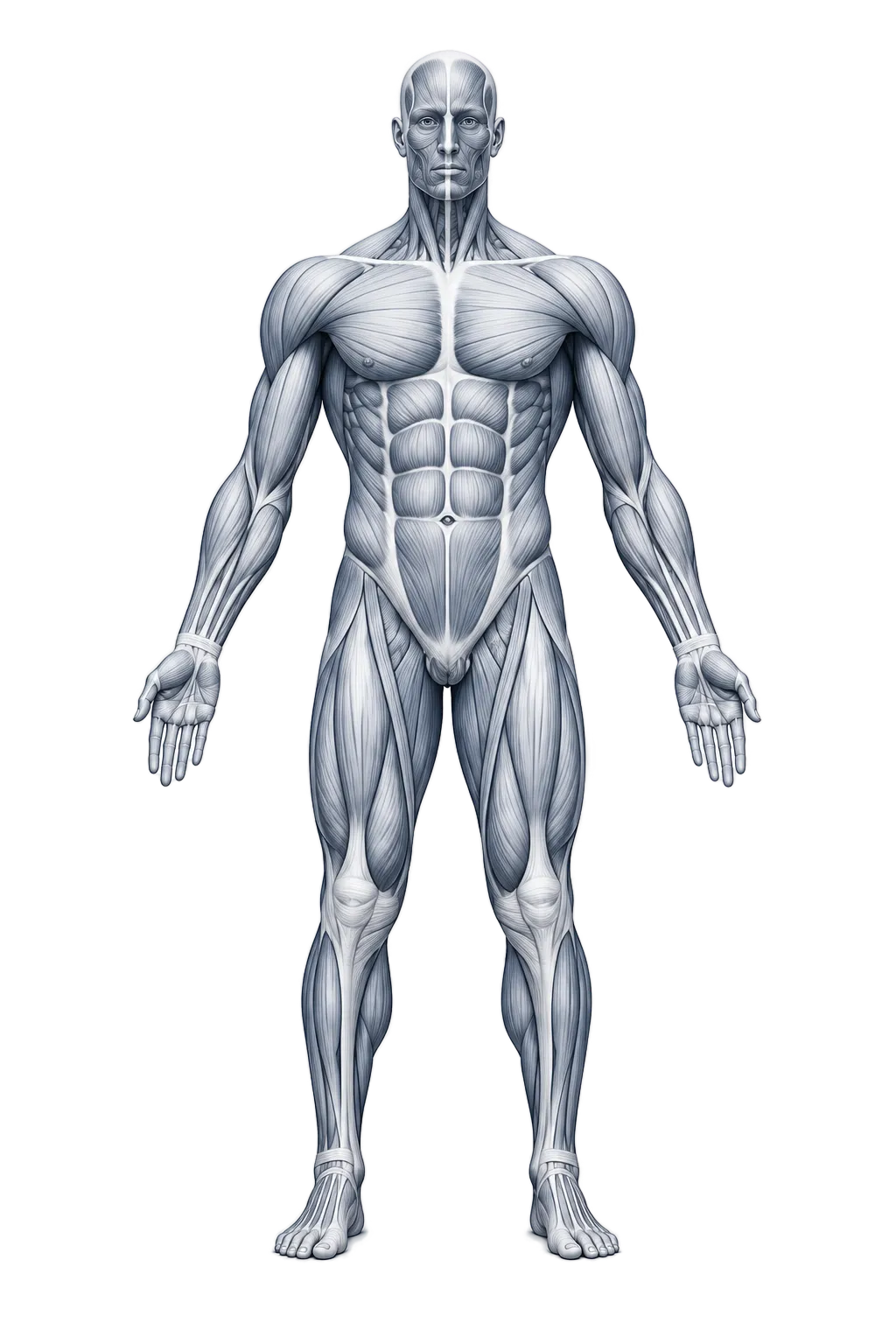
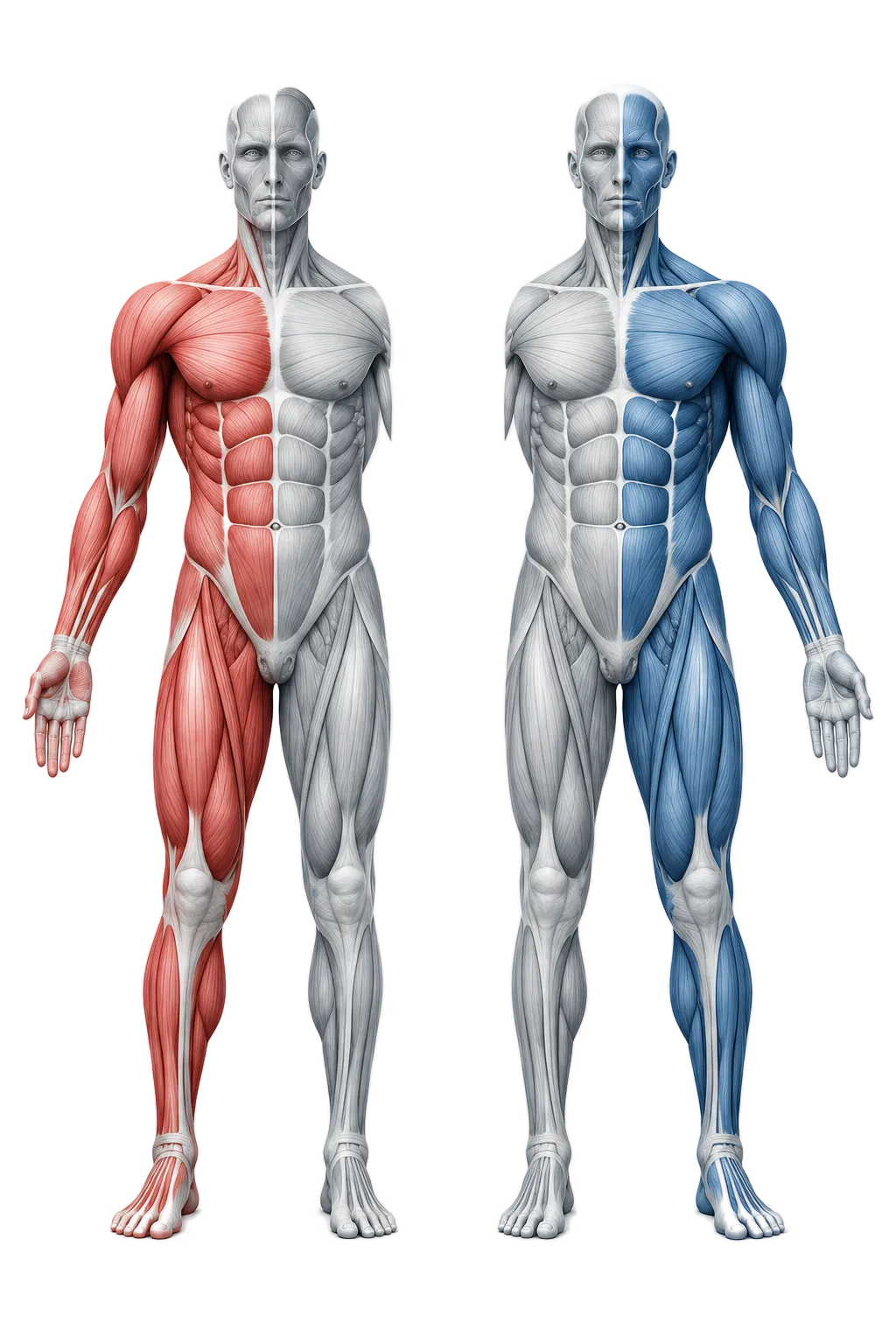
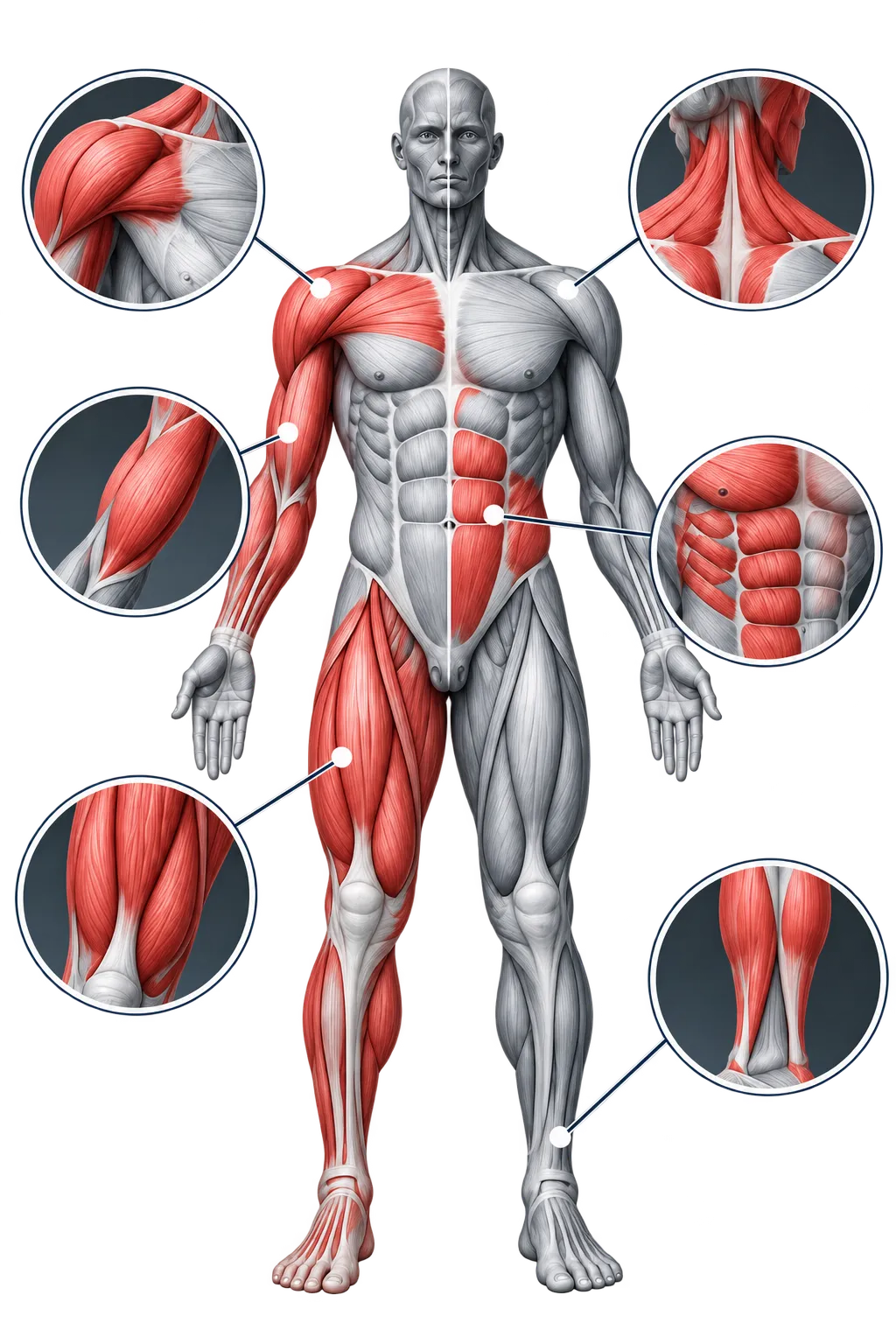
What your body can do can hide what it can't.
Knowing what your body can accomplish as a whole isn't necessarily the same as knowing the capacity of the individual muscular components responsible for accomplishing it.
That's where MAT43 begins to look differently.
How MAT43 builds Regenerative Strength
Neuromuscular Engineering is a systematic process for identifying the Force Tolerance of individual muscular components, measuring how they respond to increasing demands, and progressively developing their capacity according to defined response criteria.
The easiest way to understand why we call it Engineering is to think about something familiar:
A Building. Whole Structure
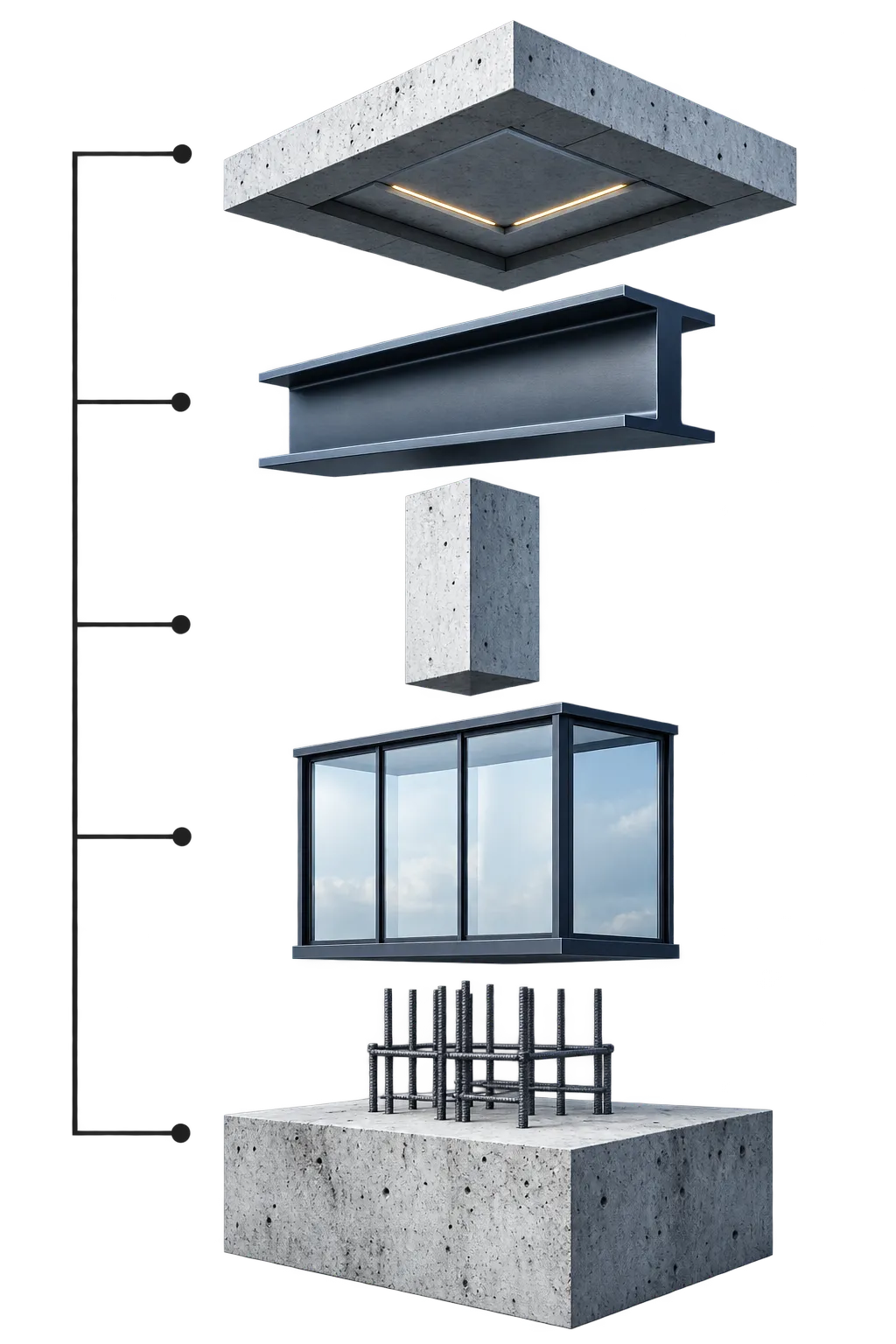 Individual Components
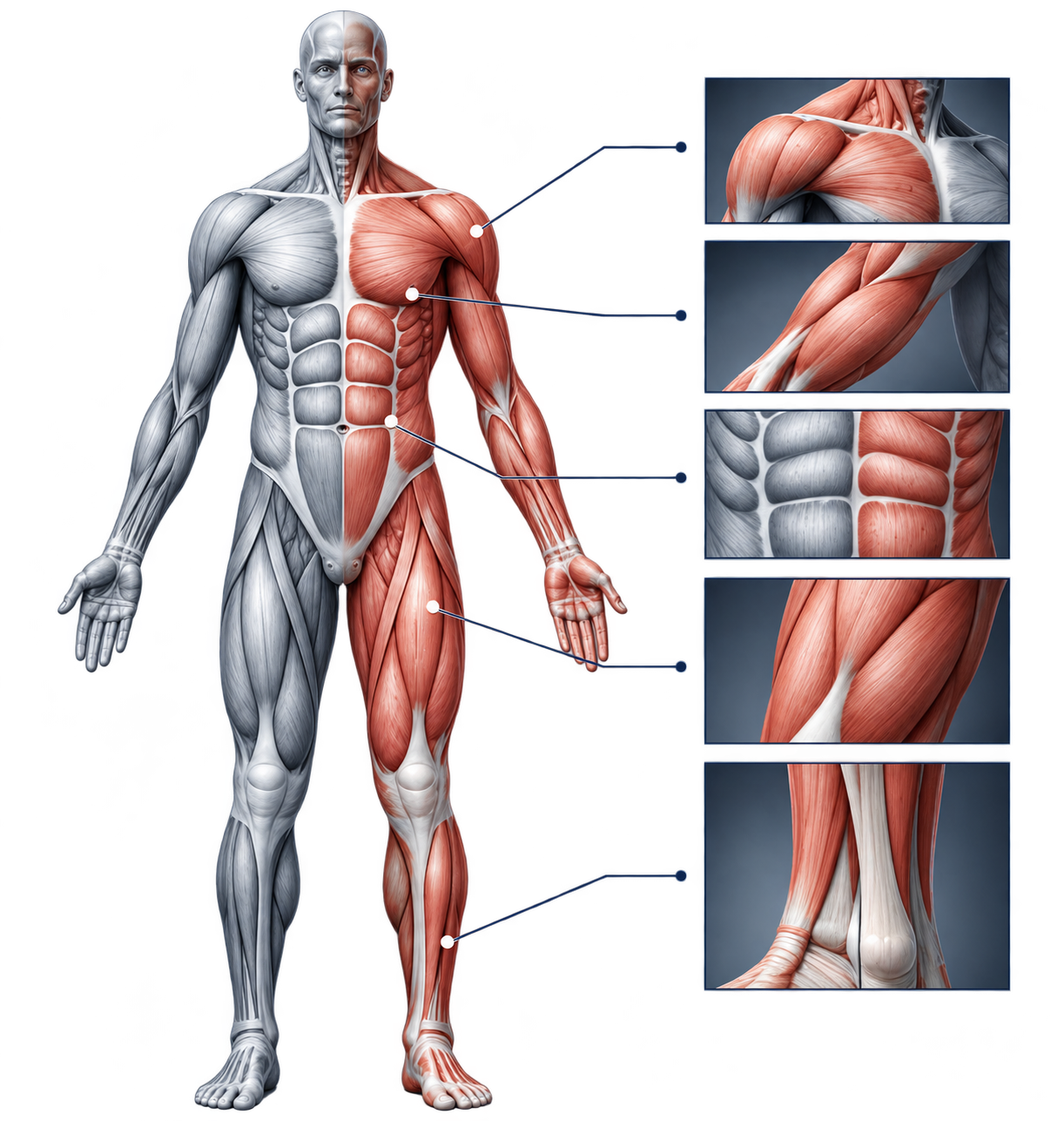
A structural engineer doesn't evaluate the strength of a building only by looking at the structure as a whole.
An engineer needs to understand those components, the forces being placed upon them, how they respond to those forces, and whether they have the capacity required of them.
The building depends on the capacity of the individual components within it.
MAT43 applies a similar engineering mindset to your muscular system.
Asks whether the individual components of a building can tolerate the forces placed upon them.
Asks whether the individual muscular components of your body can tolerate the forces required by your life.
Whole body Individual muscular components
Just as understanding a building requires looking beyond the structure as a whole, MAT43 looks beyond whole-body performance.
By evaluating individual muscular components, MAT43 can identify differences in capacity that successful movement may hide.
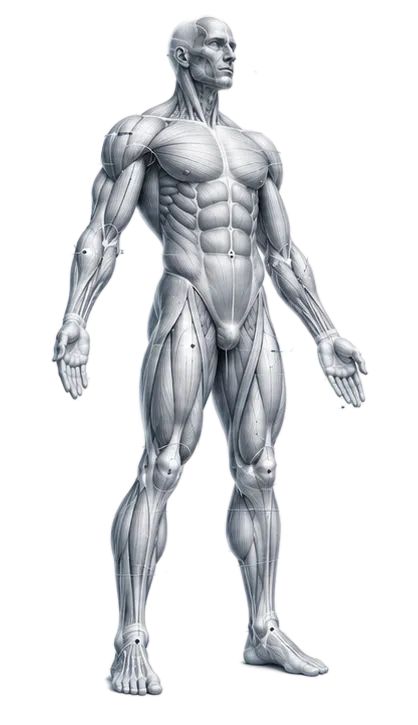 Whole Body
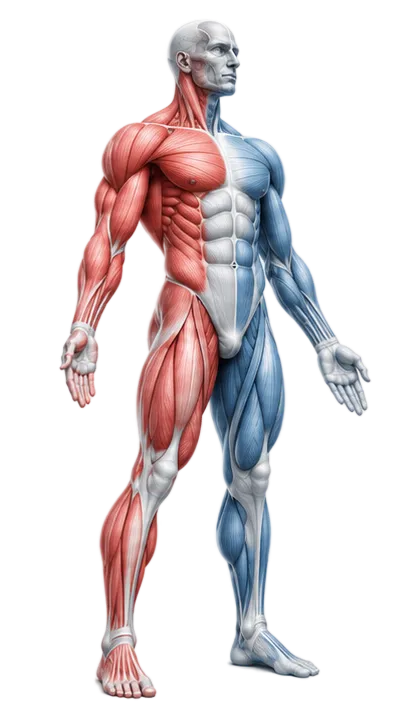 Left Side / Right Side
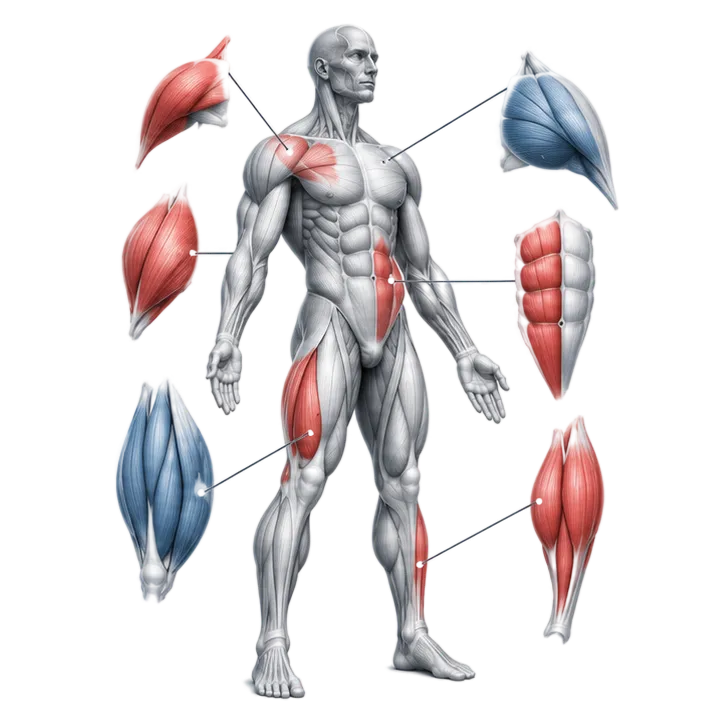 Individual Muscular Components
The body will show you what it can do. MAT43 wants to find what it can't do.
Successfully completing an exercise tells us something:
You completed the exercise.But MAT43 asks another question:
What did those repetitions do to your system?Completing an exercise doesn't necessarily mean every muscular component successfully tolerated the demand.
MAT43 applies measurable force, evaluates the response using specific indicators, and uses defined response criteria to govern progression.
Apply a measurable load to a specific muscular component.
Evaluate the response using specific indicators.
Confirm the response meets defined criteria.
Progress based on objective findings.
An engineer doesn't develop greater capacity in a building so it can become better at engineering tests.
Greater capacity allows the structure to better tolerate the real-world forces placed upon it.
The same principle applies to MAT43.
The goal is to progressively develop greater muscular capacity for the real-world forces your body has to tolerate outside of MAT43.
Life. Exercise. Recreation. Sport. Performance.

The most powerful “neuromuscular process” I've ever seen! This is anti-aging. This is going to change the world.Golf.com, 2020
Six golf-specific muscular capacities measured before and after MAT43.
What Greg has done with MAT43 is 20 years ahead of everybody in the training world. It's opened new boundaries that I've never thought were possible.
The process.
What we're developing.
Why it matters.
A system built to progressively develop the muscular capacity required for the life you want to keep living.
That's both the good news and the problem.
Your body is very good at keeping you moving. Every muscle has a limit to how much force it can successfully handle at a given point in time. When the force placed on a muscle exceeds that level, the muscle can become inhibited—or “shut down.” But your body still needs to move.
So it finds another way. It compensates.
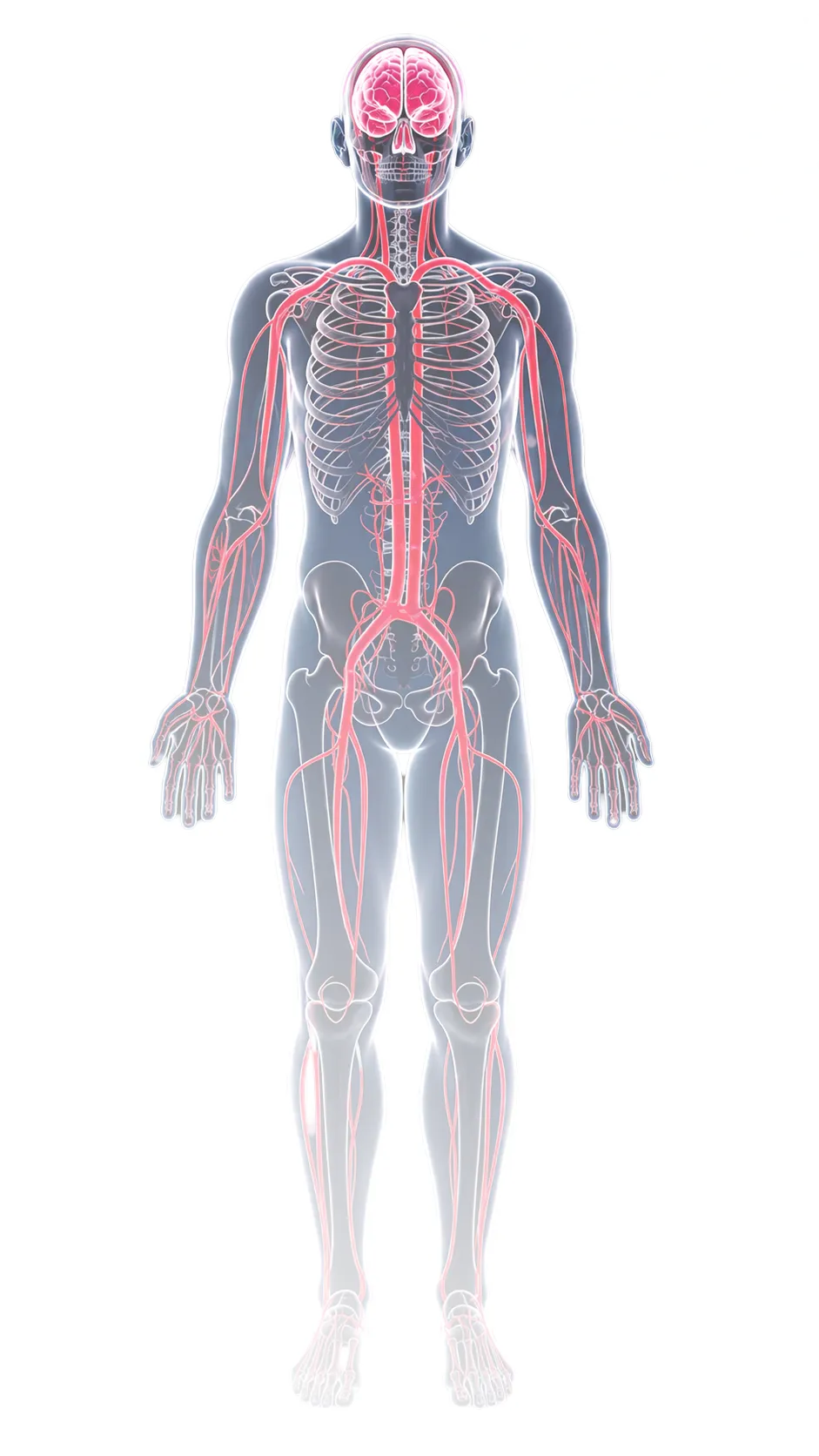
That's why you may still be able to walk, run, golf, play pickleball, train, work, or compete even when all of the muscles responsible aren't contributing the way they should.
Your body finds a way to keep playing short-handed.
The muscles still contributing are now being asked to handle more of the demand.
Over time, that can contribute to the things you notice:
That's when something happening inside your body begins affecting your quality of life.
Feeling better and changing what your muscles can handle aren't always the same thing.
There are many ways to change how your body feels. Stretching may reduce tightness. Massage or hands-on treatment may provide relief. Rest may calm something down. Exercise can make you stronger. And all of those things can have value. But changing a symptom…or simply making the body stronger…doesn't necessarily tell us how much force each specific muscle can successfully handle. That's the distinction MAT43 makes.
nounHow much physical demand can your muscles handle while continuing to function the way they should?
MAT43 doesn't simply add weight and hope you get stronger.
Resistance is introduced at a specific point in the MAT43 process…only after the muscles responsible have been evaluated and their function verified.
The weight isn't the system. It's one tool within the system.
Without Order, There Is Chaos.
There is a starting point. There is an order. There are requirements before moving forward.
The body contains hundreds of muscles working together. Where you hurt isn't necessarily where the problem begins. That's why MAT43 doesn't start with the symptom.
MAT43 organizes human movement into 43 movements, including 21 primary movement patterns, and follows a patented hierarchy establishing where the process begins and the order in which it progresses.
Start here → Test this → Establish integrity → Challenge it → Verify it
The hierarchy tells us where to go. MAT43 determines what must happen before we move forward.
See How the Hierarchy WorksMAT43 is exercise. But it doesn't use exercise in the same way conventional exercise programs typically do.
Exercise→Verify Response→Follow Criteria→Progress
Each challenge provides information about the muscular system's current capacity. That information is checked against MAT43's indicators and criteria before progression continues.
The exercise isn't just the intervention. It also provides information.
If the system is working, the data will show it.
MAT43 doesn't rely solely on how you feel when you walk out the door. We measure what's changing inside the system and track what that change means in your life.
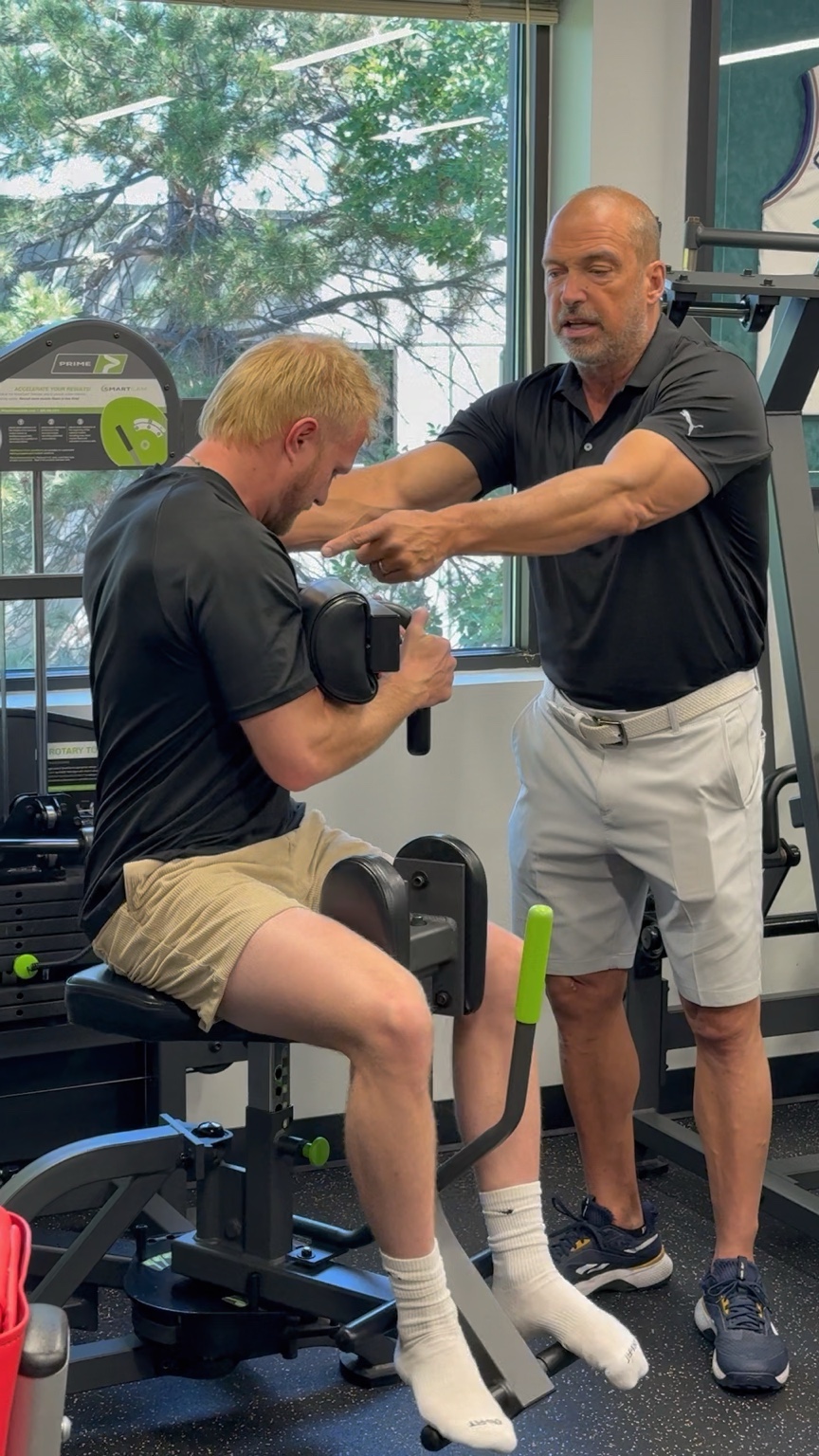
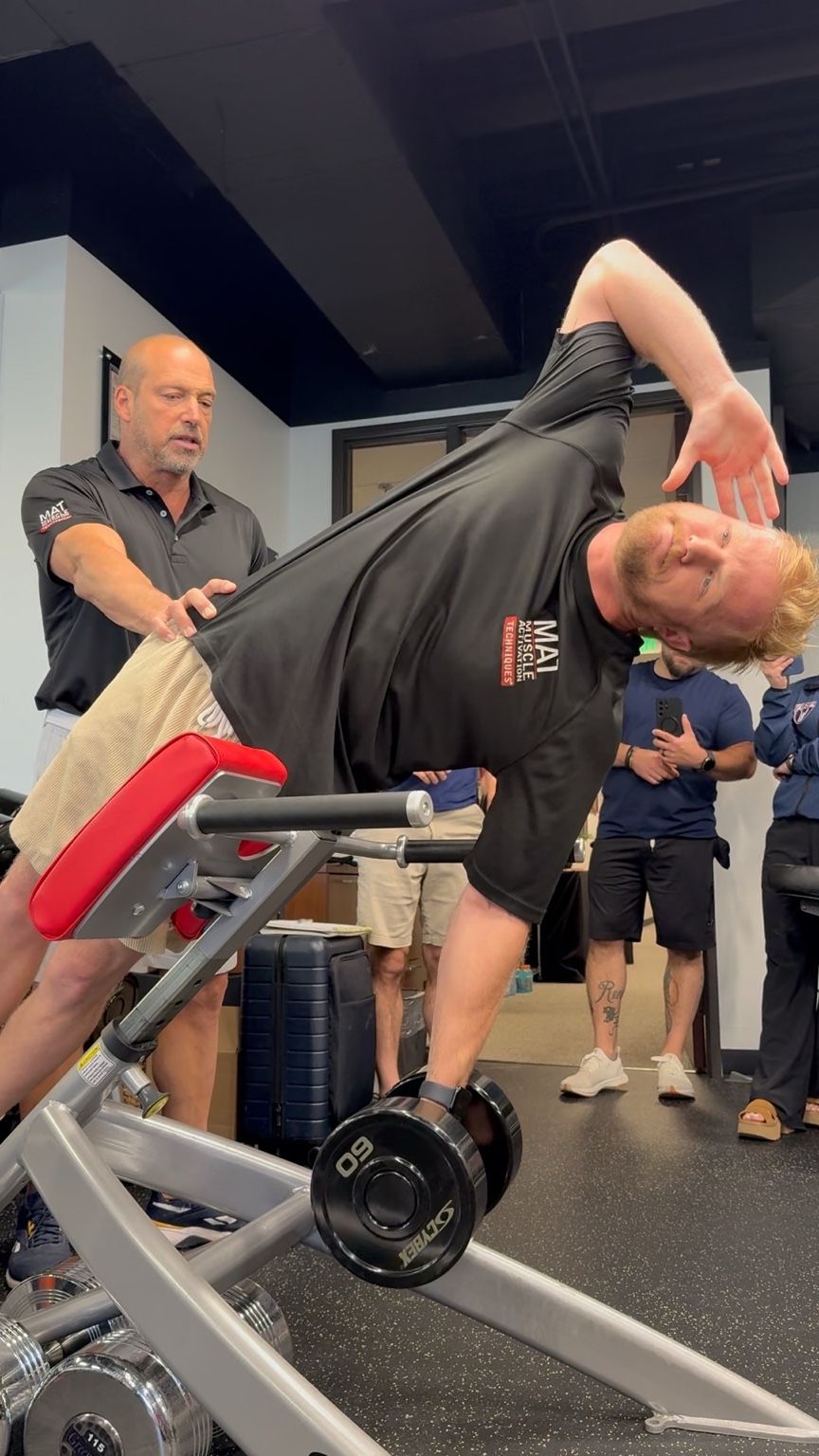
Force Capability What measurable resistance can a specific muscle successfully handle?
Response to Challenge What happens when additional force is imposed?
Integrity Did the muscles maintain their demonstrated function after the challenge?
Progression How is measurable capacity changing over time?
MAT43 RESULTS
What else could you get back?